
Strength gains come from neural adaptation and connective-tissue capacity as well as from muscle cross-section. Compounds associated with strength disproportionately to size tend to be high-affinity androgens, and this is where the most androgenic compounds in the range cluster.
That clustering is not incidental. High androgen-receptor binding affinity is associated with both the strength effect and the side-effect profile, and the two are not separable because they proceed from the same receptor interaction.
Several compounds in this group carry a notably high hepatic burden, which is why they appear in the literature with the shortest exposure durations of any category.
What to weigh up
The strongest compounds have the narrowest margins
The compounds most associated with strength are also those with the highest hepatic and cardiovascular considerations.
Connective tissue lags
Strength can outpace tendon and ligament adaptation. This is a documented injury mechanism, not a theoretical one.
Blood pressure is the marker to watch
Several compounds in this group raise blood pressure markedly. It is the most commonly cited reason for discontinuation.
Duration is the lever
Across this category the literature is consistent that exposure duration, not amount, drives the risk profile.
Stocked for this goal
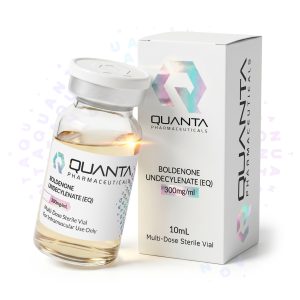 Quanta Pharma Boldenone Undecylenate (EQ)out of stock
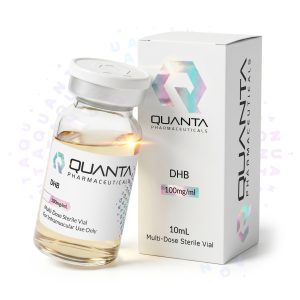 Quanta Pharma DHBout of stock
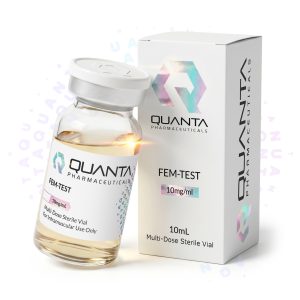 Quanta Pharma Fem-Testin stock
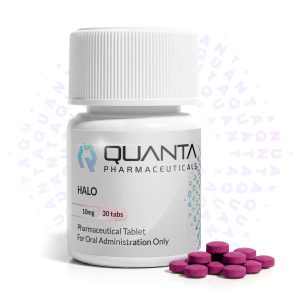 Quanta Pharma Halo 10mgin stock
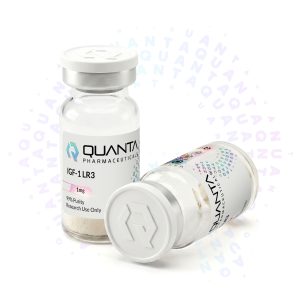 Quanta Pharma IGF-1 LR3 1mgout of stock
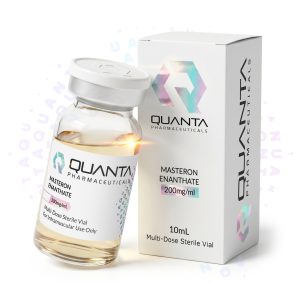 Quanta Pharma Masteron Enanthatein stock
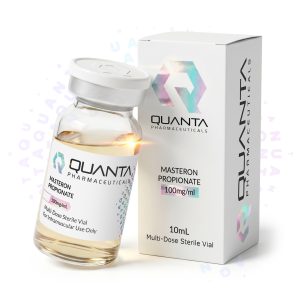 Quanta Pharma Masteron Propionatein stock
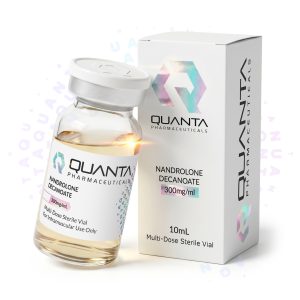 Quanta Pharma Nandrolone Decanoateout of stock
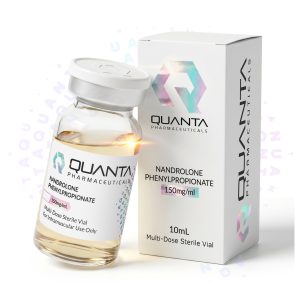 Quanta Pharma NPP (Nandrolone Phenylpropionate)in stock
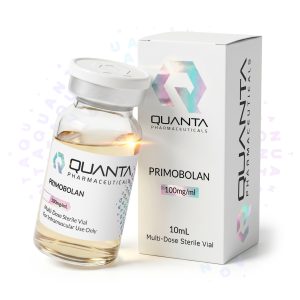 Quanta Pharma Primobolan 100mgin stock
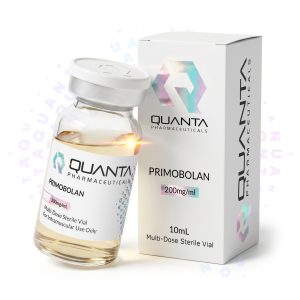 Quanta Pharma Primobolan 200mgin stock
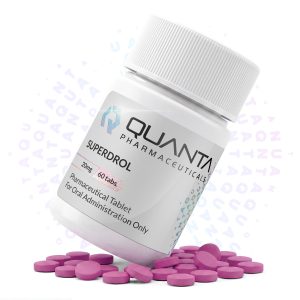 Quanta Pharma Superdrol 20mgin stock
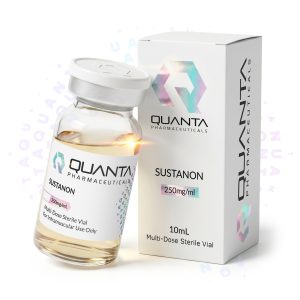 Quanta Pharma Sustanon 250in stock
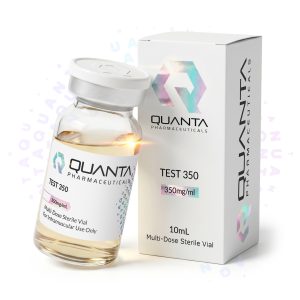 Quanta Pharma Test 350out of stock
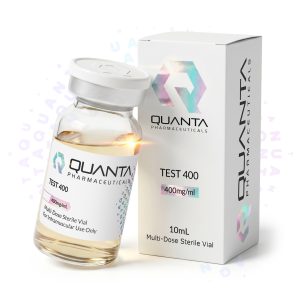 Quanta Pharma Test 400in stock
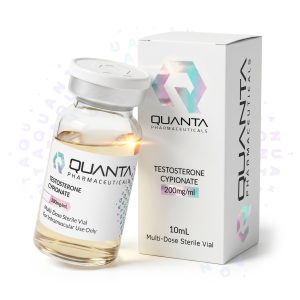 Quanta Pharma Testosterone Cypionatein stock
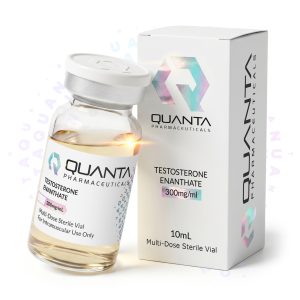 Quanta Pharma Testosterone Enanthatein stock
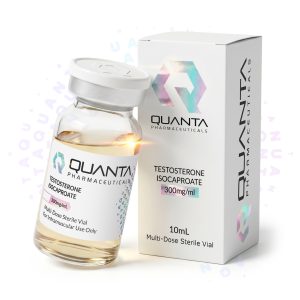 Quanta Pharma Testosterone Isocaproatein stock
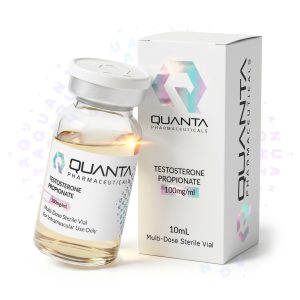 Quanta Pharma Testosterone Propionatein stock
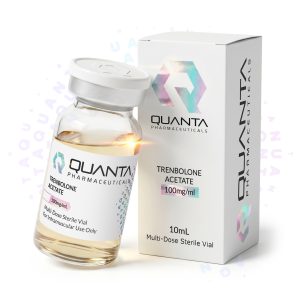 Quanta Pharma Trenbolone Acetatein stock
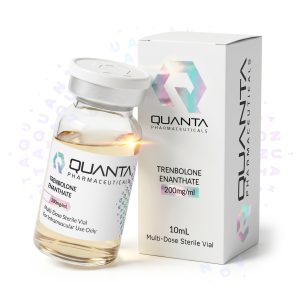 Quanta Pharma Trenbolone Enanthatein stock
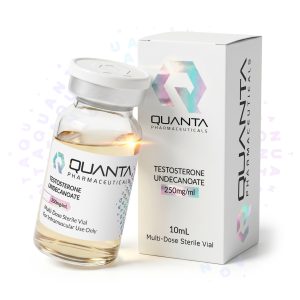 Quanta Testosterone Undecanoate (TRT Choice)out of stock
Go deeper
This page covers what serves the goal. For what each compound actually is - class, mechanism, half-life and storage - see the reference library.