
Recovery compounds are almost entirely peptides, and they target different parts of the repair process. BPC-157 research centres on angiogenesis and fibroblast migration. TB-500 targets actin sequestration and cell migration. GHK-Cu is studied in dermal remodelling and collagen synthesis. KPV and LL-37 act on inflammatory and host-defence signalling respectively.
Because these are different mechanisms rather than different strengths of the same thing, they are frequently studied in combination. That is the reasoning behind the blended pens, which combine two to four of them in a single pre-filled device.
The growth hormone axis also contributes here, through IGF-1's role in tissue repair, which is why secretagogues appear in recovery contexts as well as in muscle-building ones.
What to weigh up
Handling is most of the battle
Almost everything here arrives lyophilised and must be reconstituted, refrigerated and protected from light. A peptide stored warm is degraded regardless of what the label says.
Pens remove the arithmetic
Pre-filled pens graduated in dial units eliminate reconstitution maths, which is the single most common source of error with vials.
Blends are several pharmacologies at once
A blend behaves as the sum of its constituents. Read each one rather than treating the blend as a single compound.
Freeze-thaw is destructive
LL-37 and IGF-1 in particular tolerate repeated freeze-thaw poorly. Cold does not mean frozen.
Stocked for this goal
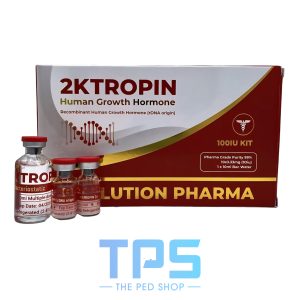 HGH - 2Ktropinin stock
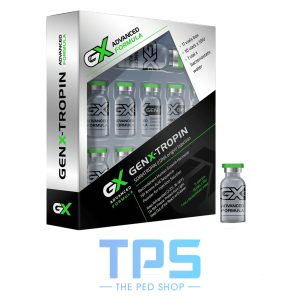 HGH - Genxtropinin stock
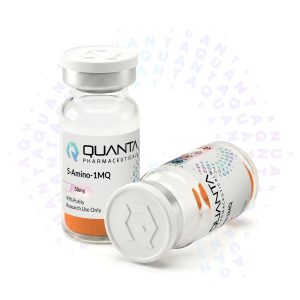 Quanta Pharma 5-Amino-1mqout of stock
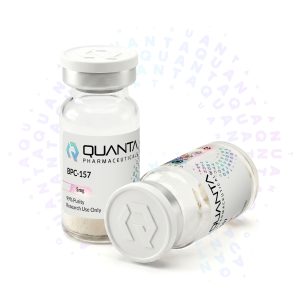 Quanta Pharma BPC-157 5mgin stock
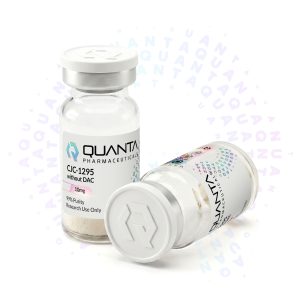 Quanta Pharma CJC-1295 (Without DAC)in stock
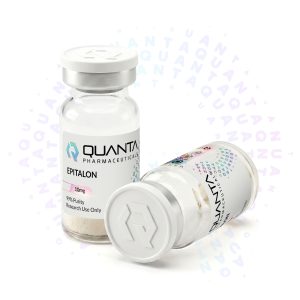 Quanta Pharma Epitalon 10mgout of stock
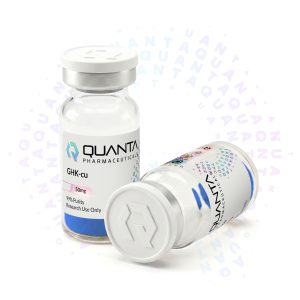 Quanta Pharma GHK-cu 50mgin stock
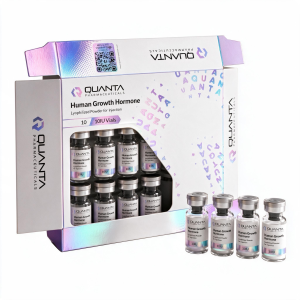 Quanta Pharma HGH 100iu Kitout of stock
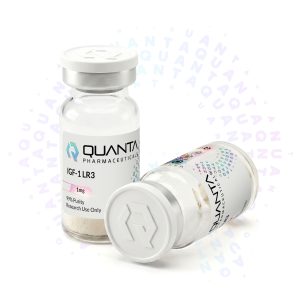 Quanta Pharma IGF-1 LR3 1mgout of stock
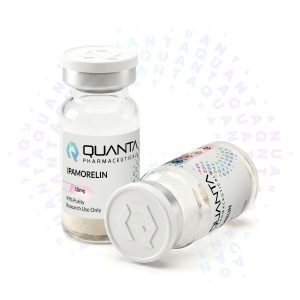 Quanta Pharma Ipamorelin 10mgin stock
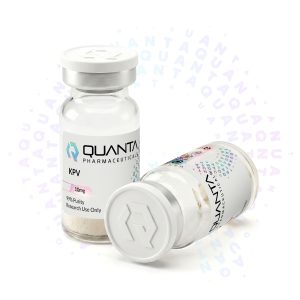 Quanta Pharma KPV 10mgout of stock
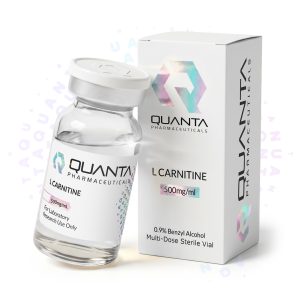 Quanta Pharma L Carnitine 30mlout of stock
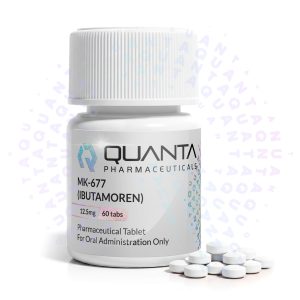 Quanta Pharma MK-677 (Ibutamoren) 12.5mgin stock
 Quanta Pharma NAD+ 500mgin stock
 Quanta Pharma TB500 5mgin stock
 Quanta Pharma Tesamorelin 10mgout of stock
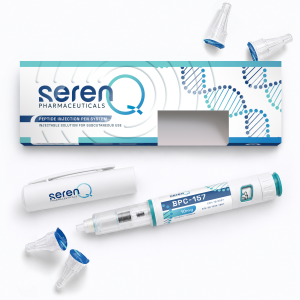 SerenQ BPC-157 10mg Peptide Penin stock
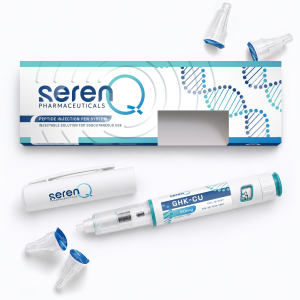 SerenQ GHK-Cu 50mg Peptide Penin stock
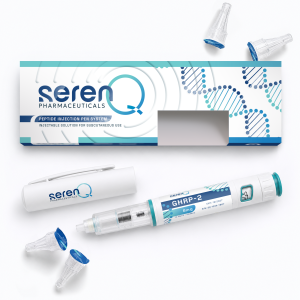 SerenQ GHRP-2 6mg Peptide Penout of stock
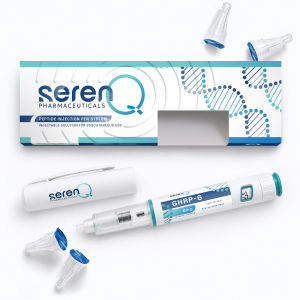 SerenQ GHRP-6 6mg Peptide Penout of stock
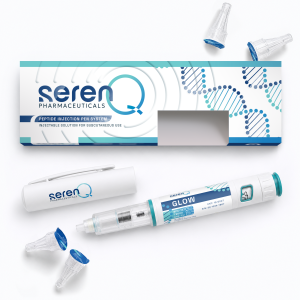 SerenQ Glow Peptide Penin stock
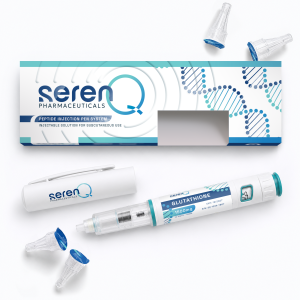 SerenQ Glutathione 1500mg Peptide Penout of stock
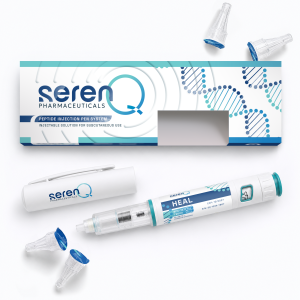 SerenQ Heal 10mg Peptide Penin stock
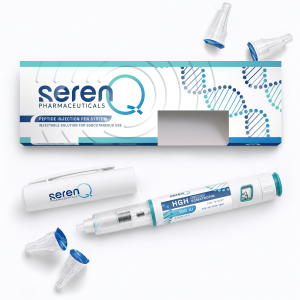 SerenQ HGH 100iu Peptide Penin stock
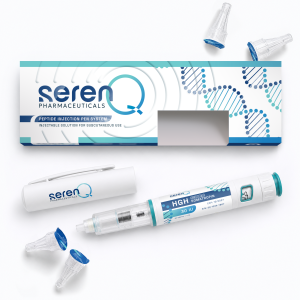 SerenQ HGH 30iu Peptide Penin stock
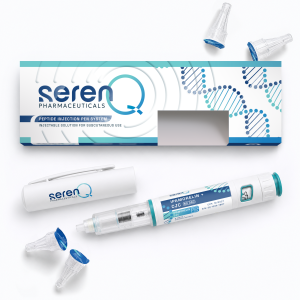 SerenQ Ipamorelin + CJC 1295 (No Dac) Peptide Penin stock
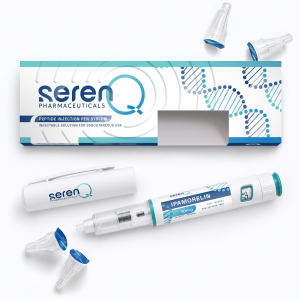 SerenQ Ipamorelin 10mg Peptide Penout of stock
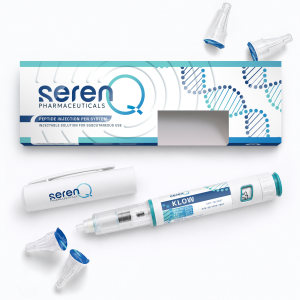 SerenQ KLOW Peptide Penout of stock
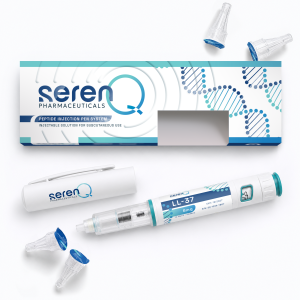 SerenQ LL-37 6mg Peptide Penout of stock
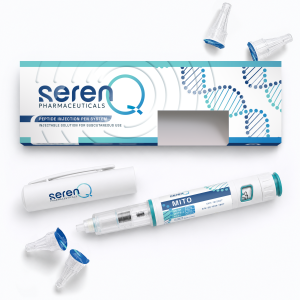 SerenQ MITO Peptide Penout of stock
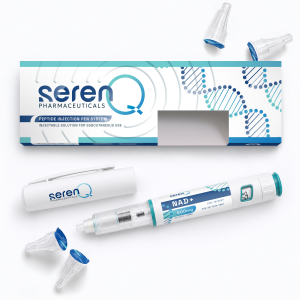 SerenQ Nad+ 500mg Peptide Penout of stock
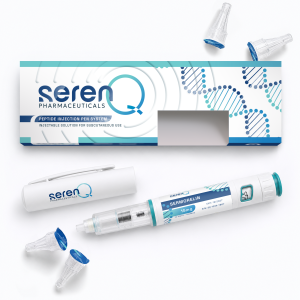 SerenQ Sermorelin 15mg Peptide Penout of stock
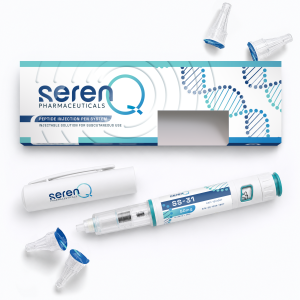 SerenQ SS-31 50mg Peptide Penout of stock
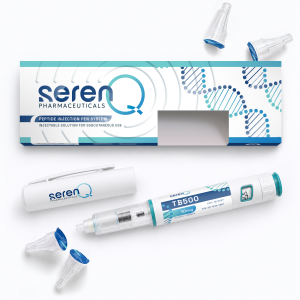 SerenQ TB500 10mg Peptide Penin stock
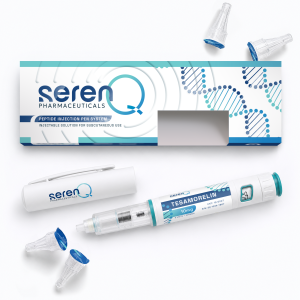 SerenQ Tesamorelin 10mg Peptide Penout of stock
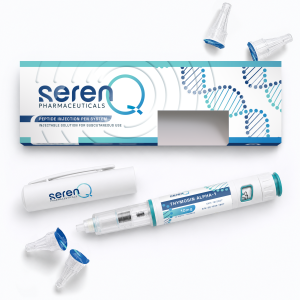 SerenQ Thymosin Alpha-1 10mg Peptide Penout of stock
Go deeper
This page covers what serves the goal. For what each compound actually is - class, mechanism, half-life and storage - see the reference library.