
Fertility depends on both LH, which drives testicular testosterone production, and FSH, which acts on Sertoli cells and is the component involved in spermatogenesis. Exogenous androgens suppress both, which is why suppressed fertility follows from any androgen use regardless of intent.
This is where HCG and HMG separate meaningfully. HCG is an LH analogue and restores intratesticular testosterone but provides no FSH activity. HMG contains both, which is why it appears in fertility contexts where HCG alone would be insufficient.
SERMs contribute by raising endogenous gonadotropin output, and kisspeptin sits further upstream again, acting at the KISS1R receptor above GnRH.
What to weigh up
LH and FSH are different jobs
HCG covers one. HMG covers both. That is the whole distinction.
Recovery timescales are long
Spermatogenesis runs on a roughly 74-day cycle, so changes are not visible quickly.
A semen analysis is the measurement
Testosterone levels say nothing about fertility on their own.
Plan before, not after
Fertility preservation is far simpler to maintain than to restore.
Stocked for this goal
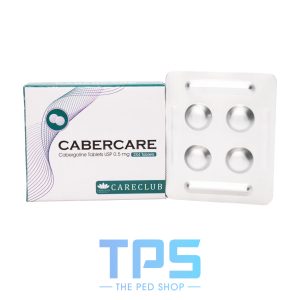 Caber (30x0.5mg)out of stock
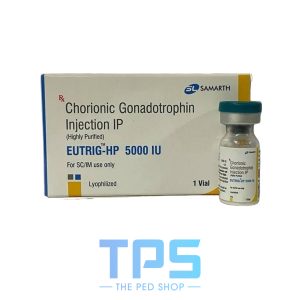 HCGin stock
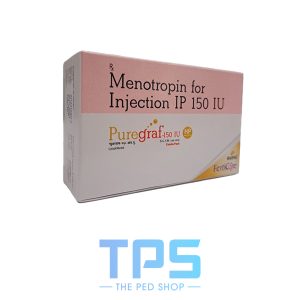 HMGin stock
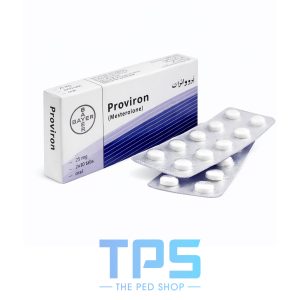 Proviron (Pharma)out of stock
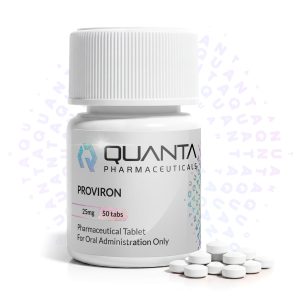 Quanta Pharma Provironin stock
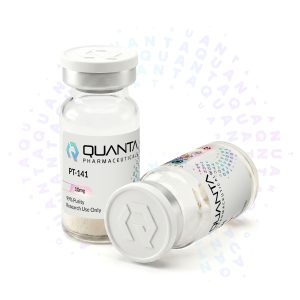 Quanta Pharma PT-141 10mgin stock
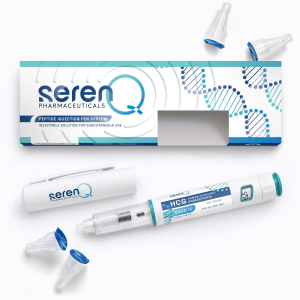 SerenQ HCG 5000iu Peptide Penout of stock
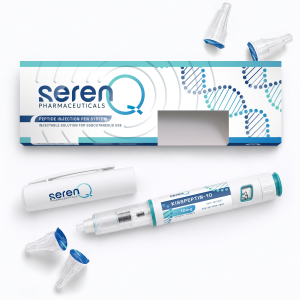 SerenQ Kisspeptin-10 10mg Peptide Penout of stock
Go deeper
This page covers what serves the goal. For what each compound actually is - class, mechanism, half-life and storage - see the reference library.